
By Wynonna Mountebank
04-10-25
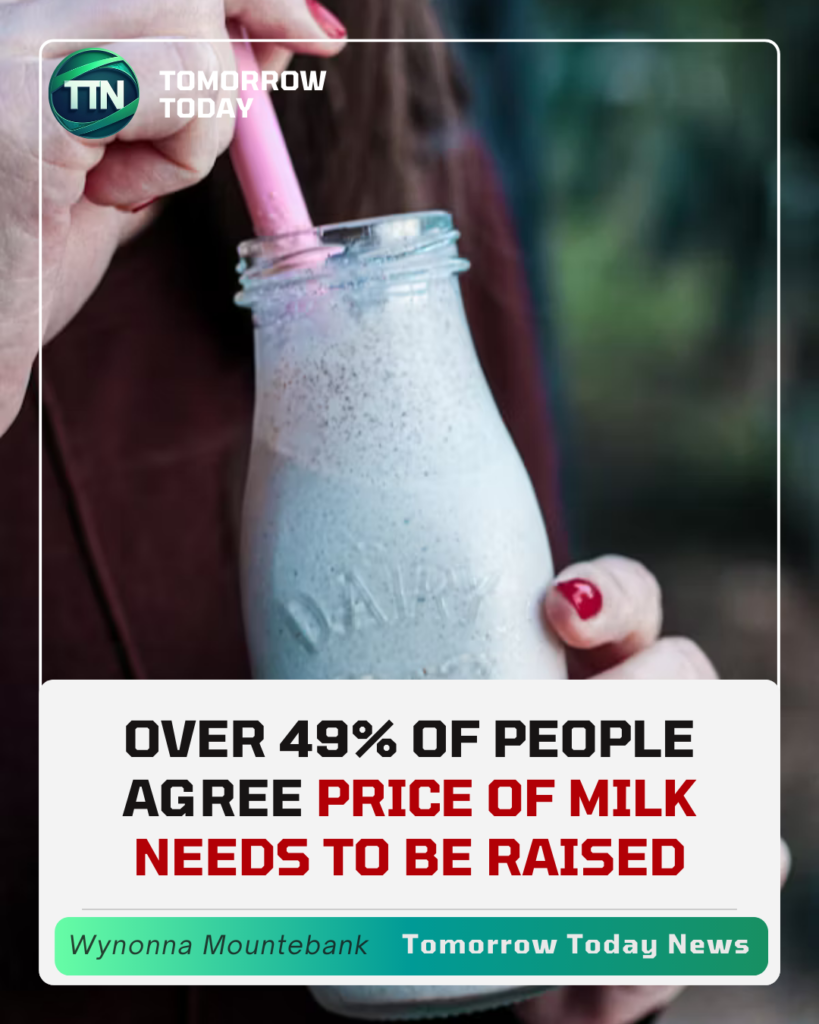
In a recent survey, nearly 50% of voters agreed that the price of milk has been left behind and needs a boost to match the surging economy. According to one voter, he spends around 0.5% of his monthly salary on milk, and with his pay rise in January 2025 he’s now buying too much milk for his family and they end up throwing it out at the end of the month. “It’s just not expensive enough for the amount of milk my family drinks” he says.
A large portion of those interviewed, at least half, explained that their reasons for wanting the price of milk to rise is to support dairy farmers across the states. One very motivated young lady told us “without people buying lots of milk, farmers won’t keep breeding cows, and we’ll run out of meat!”, a sentiment which appears to be held by the many people who gathered recently at a rally in Washington to “Up The Milk, Keep The Meat”.
Another interviewed voter expressed his opinion that milk no longer meets upper middle-class expectations, and pointed out: “Milk doesn’t have the same feel it used to. It used to be a treat I could buy for my kids to take to school, but now it’s gotten to the point where it doesn’t match our lifestyle and I might have to look for alternatives”, showing a trend that some people may look for plant-based alternatives to milk in order to separate themselves from the general public.
On the very other end of the spectrum of milk vs. milk alternatives are those who are politically-motivated and looking to keep the country’s core values and traditions at the center of their decision-making processes. Of the people interviewed, 11 expressed their desire to keep the price of milk at an acceptable level for economical appearance purposes, as “the more people investing in dairy milk, the less people will be investing in milk alternatives”. According to one lady: “If it’s cheap it means it’s bad quality, so people won’t want bad quality soy, they’ll stick with the real stuff”.
No matter the reasoning behind the decision, it’s clear that the price of milk is becoming an important issue in 2025, and dairy farmers will need to adapt their business strategy to the changing situation to keep the public happy and milkful.
Read more by Wynonna Mountebank: